
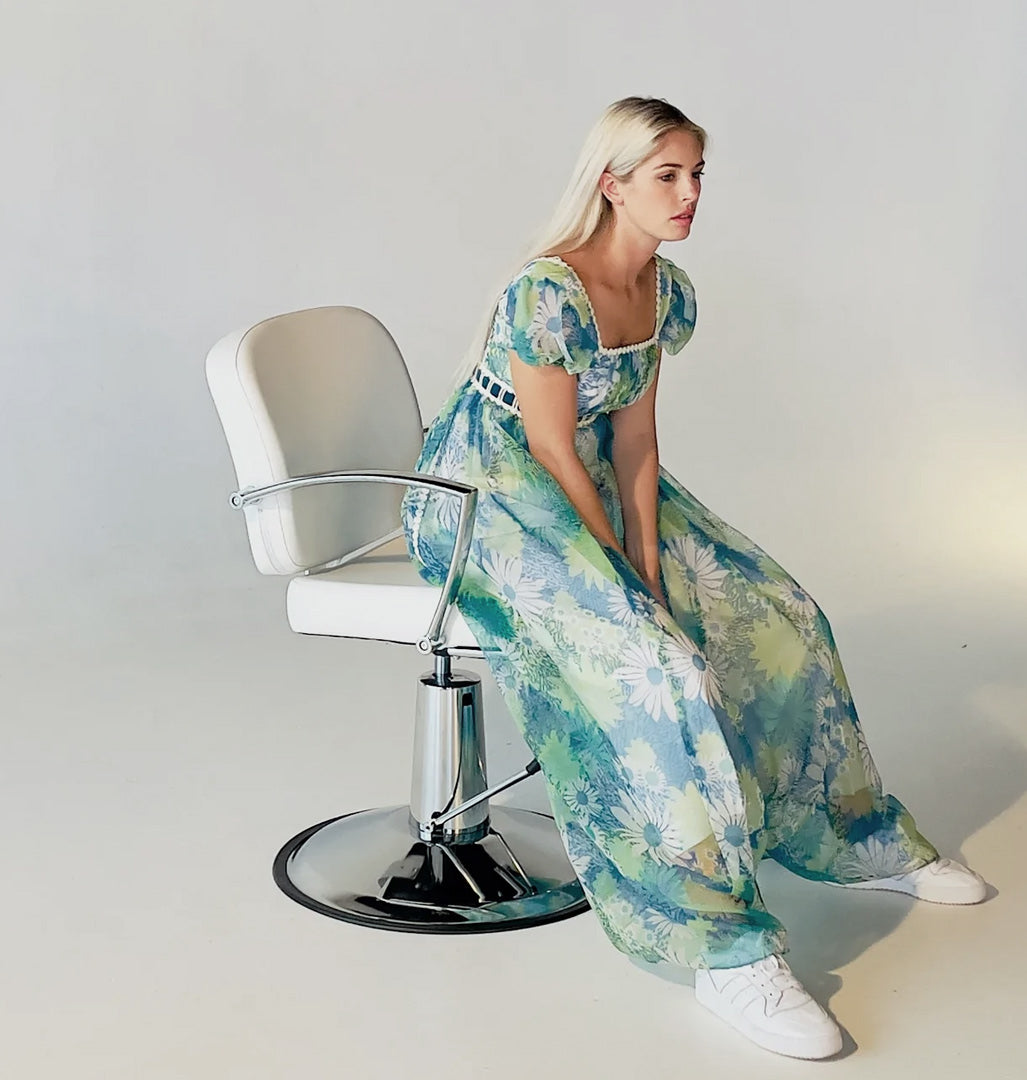

Welcome to the first few hundred of your 8,760 hours.
The holiday champagne has gone flat. The sequins have been archived. We are left with the stark, beautiful reality of January, a month that demands less "sparkle" and more substance. At ClosetBlues, we don't subscribe to the "New Year, New Me" panic. We believe you were interesting enough last year; you just need a better wardrobe to articulate it.
As we navigate the frozen bridge between deep winter and the distant promise of spring, we are turning away from fleeting trends and toward an atmosphere. We call it Poetcore.
The Aesthetic: Romanticism with Teeth
Don’t insult this aesthetic by calling it a "trend." Poetcore is a mood. It is the sartorial embodiment of a rainy afternoon spent in a dusty library, realizing you are the main character in a tragic novel. It’s a look that says, "I have complex thoughts and excellent outerwear."
Historically, we are channeling the subversive romanticism of early Vivienne Westwood, taking the rigid structures of the 18th and 19th centuries (high collars, corsetry, voluminous sleeves) and softening them with intellectual disarray. It’s the vibe of the Romantic poets, Byron, Shelley, Keats, reimagined through a lens of modern luxury. It is disheveled, yes, but expensively so.
The Art of Transitional Layering
Poetcore is not a summer fling. It requires the gravity of winter textures. The key to mastering this look during the transition season lies not in matching, but in contrasting weights. We are building a narrative with fabric.
Here is the ClosetBlues guide to layering for the intellectual soul:
1. The Foundation: The Vulnerable Silk
Start against the skin with something deceptively delicate. January is harsh; your base layer should be a soft rebellion against it. We are reaching for sheer Lace Georgette blouses with exaggerated, poet-sleeve cuffs that spill out from under heavier layers. Or perhaps a crinkled linen shirt in bone or ivory that looks like it’s been slept in by a genius. This is the fragile layer you only reveal to a select few.
2. The Middle Ground: The Structural Armor
Over the silk, add the weight. This is essential for warmth, but more importantly, for gravitas. We are looking at structured jacquard knit vests, heavy wool waistcoats, or deconstructed corsetry worn over shirts.
-
The Historical Echo: Think of the layering mastery seen on Ann Demeulemeester’s 1990s runways, where heavy knits were draped over delicate fabrics to create a silhouette that felt almost spiritual. It adds necessary tension to the look.
3. The Outer Layer: The Dramatic Exit
January demands outerwear that doubles as a shield against the elements and boring conversations. Forget the practical puffer jacket. A modern poet requires movement. We demand flowing wool dusters that hit the ankle, heavy tweed capes, or oversized, asymmetrical trench coats in charcoal or deep forest green. The silhouette should be long, leaning, and slightly intimidating. When you walk away, your coat should billow like a closing argument.
The Palette: Ink and Old Paper
Step away from the brights. The Poetcore palette is drawn from a writer's desk. We are talking shades of sepia, charcoal grey, bruised plum, and ink black. The only pop of color allowed is a deep burgundy or perhaps a flash of that cold, clinical Capri Blue we forecast for 2026, hidden in a scarf or lining.
0 comments