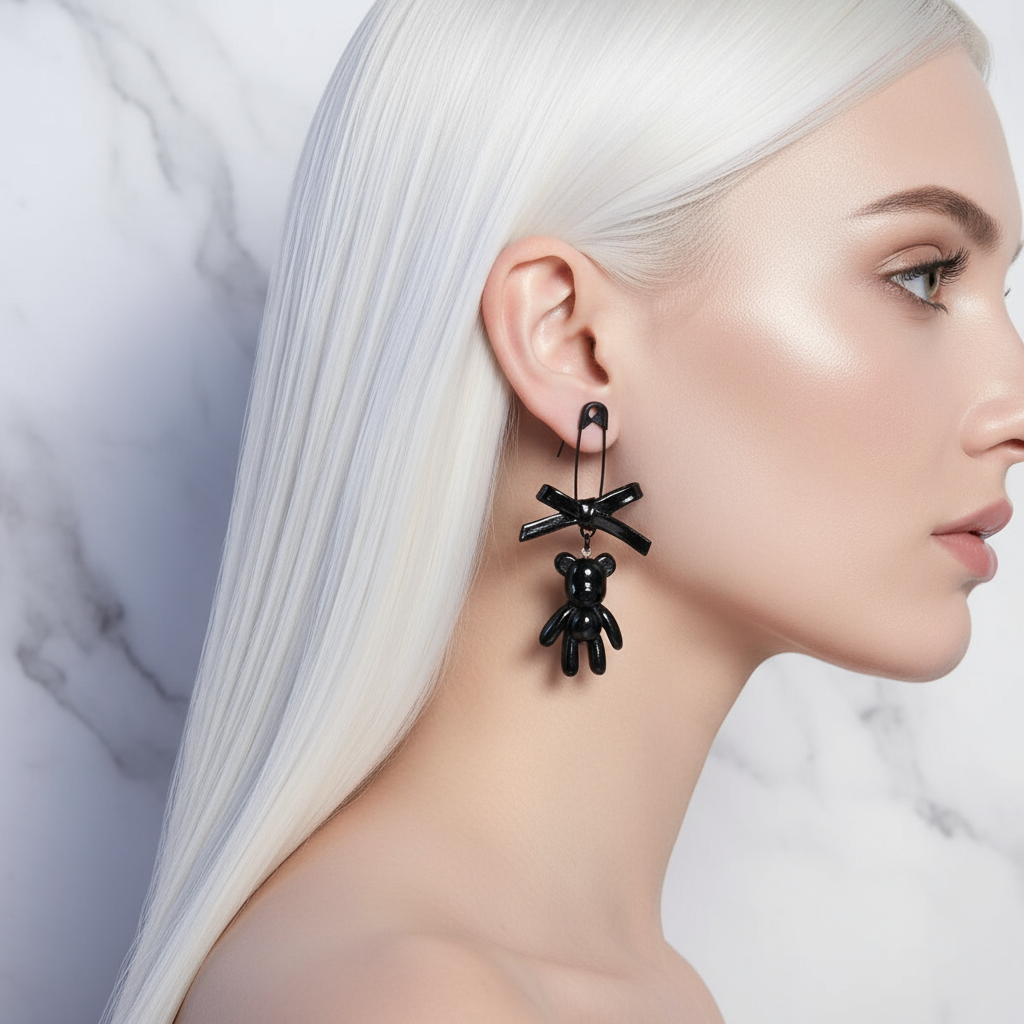
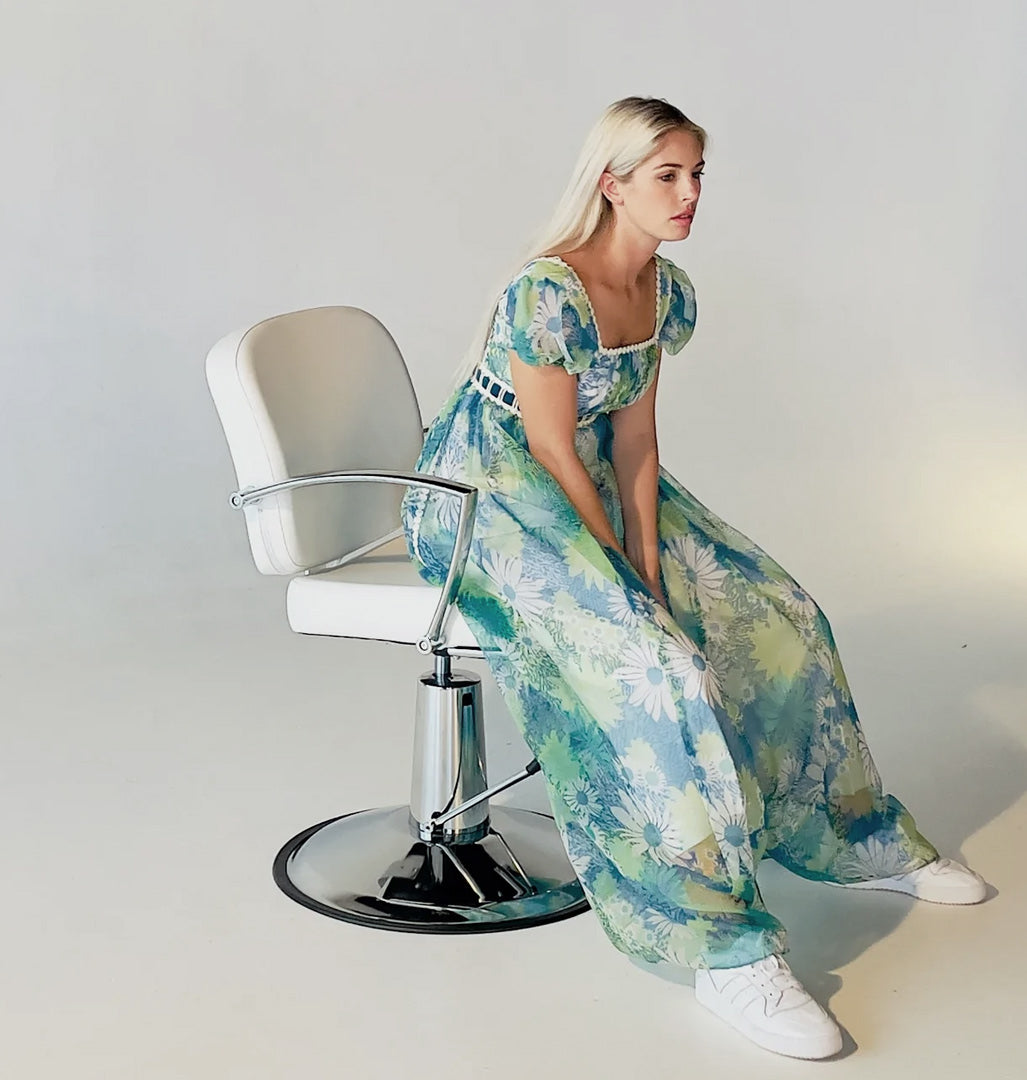

While much of the 2026 Met Gala felt like a glossy, commercial vacuum, the unexpected partnership with eBay signaled a long-overdue shift in the industry's consciousness. For the first time, the hallowed halls of the Met acknowledged that circularity isn’t just a buzzword for the environmentally conscious; it is the new frontier of the avant-garde. This collaboration didn’t just support "used clothes"; it validated the act of fashion alchemy.
This is where our new mission begins. We aren't just selling garments; we are curating Upcycled Couture. We take the "almost-great," the forgotten relics of high fashion, and breathe a radical, artistic life into them.
The Alchemy of the Archive: Upcycling as High Art
To upcycle is to engage in a conversation with the ghosts of designers past. When we take a vintage Margiela slip or a discarded Dries Van Noten blazer and transform it, we are performing Textural Deconstruction.
- The Technique: We look for Heavyweight Crepe, Silk Faille, and Industrial Brocades fabrics with enough structural integrity to survive a rebirth. We use Assemblage a technique borrowed from the fine art worldto patch together history.
- The Silhouette: Our pieces often lean toward Subversive Romanticism. Think of a Victorian corset reconstructed from a 1990s leather trench coat, or bias-cut silk panels salvaged from evening gowns and rewoven into a deconstructed streetwear manifesto.
The Institutional Shift: eBay, Galliano, and the "High-Low" Brilliance
The eBay collaboration provided a much-needed bridge between the museum and the street. It echoed the brilliance of the Zara by Galliano entrance for Stevie Nicks.
Seeing a rock icon in "Fast Couture" designed by the master of historical pastiche proves that provenance (where a garment comes from) is becoming more important than price tag. If Galliano can turn Zara into a vessel for 19th-century romanticism, we can certainly turn a vintage find into a work of art that belongs in a gallery.
A Walk Through the Ancestry of the "New"
The concept of "Fashion as Art through Reuse" has deep roots in the runway:
- Alexander McQueen: In his early years, he scavenged materials from the streets of London, proving that genius isn't dictated by the budget for Double-faced Cashmere.
- Vivienne Westwood: The undisputed queen of Pastiche, who constantly upcycled historical silhouettes (tartan, corsetry, the crinoline) into punk-rock weapons.
- Maison Margiela: Martin Margiela’s early collections were famous for using found objects, broken plates, old wigs, and vintage linings, to create a new, haunting aesthetic.
Predictions: The Rise of "The Unique Piece"
As AI and mass production saturate the market, the pendulum is swinging back toward the singular. We predict:
- The Death of the Seasonal Drop: The most elite consumers will move away from "new" collections in favor of Archival Artistry.
- Visible Mending as Status: Much like the Japanese art of Kintsugi, we expect to see "scarred" garments.where the upcycling process (exposed seams, mismatched Jacquard patches) is celebrated as a luxury detail.
- The "Couture-Thrift" Hybrid: Designers will increasingly incorporate vintage elements into new collections, much like the "Airo" look from Iris van Herpen, which fuses high-tech 3D printing with the fluidity of classic, timeless forms.
The ClosetBlues Verdict
We find the eBay partnership to be the most intellectually honest part of the Met Gala 2026. It acknowledges that the future of fashion isn't in a factory; it's in the hands of the storytellers who know how to cut, sew, and reinvent.
At Closet Blues, we are building a collection of Almost-Couture that demands an explanation. We are looking for the "hidden" designers, the Rick Owens disciples, the Matières Fécales radicals, and bringing their spirit to the art of the upcycle.
0 comments